DIETS
The Atkins Diet
You’ve probably heard that carbohydrates (carbs) are the big bad wolf of the diet world, and you should avoid them like the plague if you’re trying to lose weight. The basis of this is that carbohydrates that aren’t converted into glucose (which becomes energy) contribute to weight gain. Based on this, Dr. Robert C. Atkins created the Atkins diet which recommends reducing your intake of refined carbohydrates, simple sugars, and flour in order to lose weight.
How does the Atkins Diet work?
But how does skipping a couple slices of white bread help you lose weight? The Atkins diet involves eating a lot of protein and fats in place of carbohydrate rich foods. Your body switches to burning these fats as fuel—a process called ketosis. Once you enter ketosis, your appetite will subside, which means you’ll be less likely to cheat on your diet with anything rich in carbs.
What can you eat on the Atkins Diet?
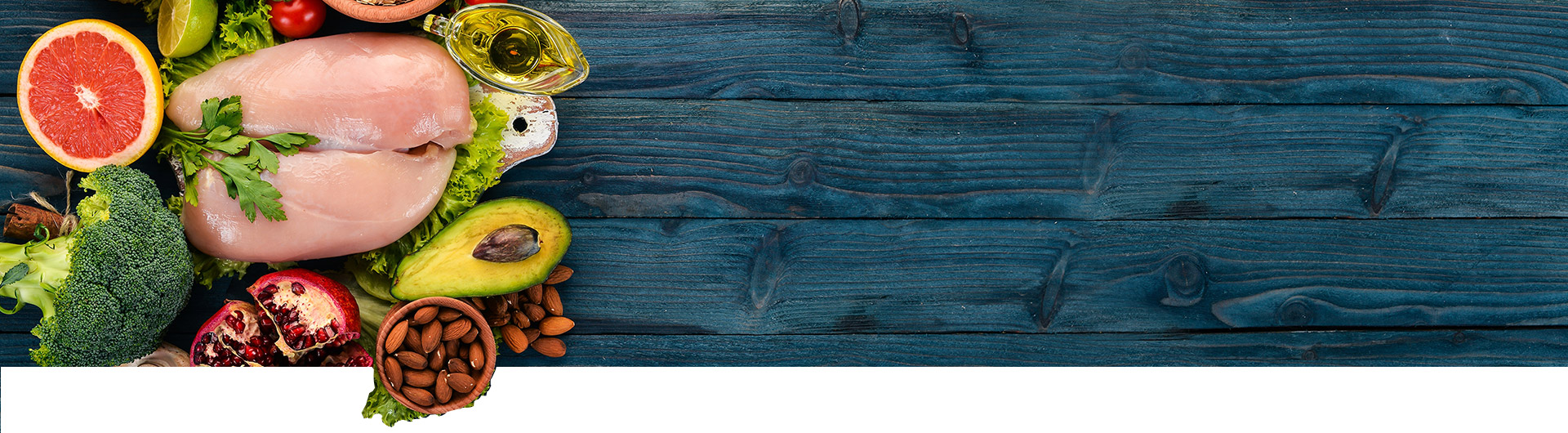
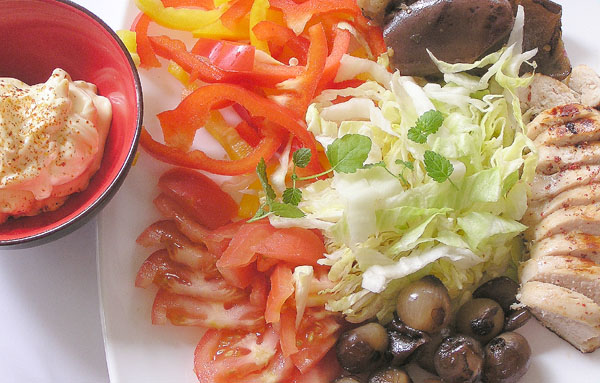
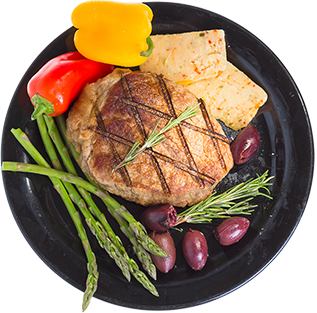
So if you can’t eat carbs, you’re probably wondering what you can eat on the Atkins diet. Recommended foods for someone following the Atkins diet include fatty fish and seafood, pork, bacon, beef, eggs, full-fat dairy products, and low-carb vegetables like kale. You can take these with green tea, coffee, and water. If you take minerals and vitamin supplements, recommended ones include, Vitamin A, Vitamin C, and Vitamin E.
The Atkins Diet Phases
The Atkins diet has four phases and what you eat while on the diet depends on the phase you’re on. The Atkins diet phase 1 is the induction phase. In this phase, you go cold turkey on almost all carbohydrates and only eat 20 grams of vegetables. Before the thought of eating a couple of green leaves for two weeks puts you off, there’s a very meaty upside to this. In addition to the vegetables, you need to add proteins to your meals like poultry, meat, fish, eggs, or cheese. Wash this down with eight glasses of water per day for two weeks, and Atkins phase 1 will be complete, leaving you 15 pounds lighter.
In the second phase, called balancing, you re-introduce carbohydrates into your diet at a minimum of 12-15 grams, while avoiding sugary foods. Add some nutrient-rich vegetables and repeat this until you lose 10 pounds, then move to the next phase. Phase 3 of the Atkins diet is pre-maintenance. In this phase, the range of vegetables, fruits, and whole grains is increased, and you add about 10 grams of carbohydrates every week as long as you maintain your weight loss goals. The length of time you stay in this phase depends on how long it takes you to achieve your weight goal.
Once you’re past this, you can enter the fourth phase—lifetime maintenance. The purpose of phases 1 to 3 of the Atkins diet is to help you figure out the amount of carbohydrates your body can take without resulting in weight gain. In the lifetime maintenance phase, you stick to the amount that worked for you and maintain that for the rest of your life.
Does the Atkins Diet Work for everyone?
As with all things, the Atkins diet won’t yield the same results for everyone. Pregnant or breastfeeding women, and people with kidney disease are not recommended to try this diet. If you take diuretics, oral diabetes, or insulin medications, you’ll need to check with your doctor first before jumping on the low-carb train. The Atkins diet can be followed by people suffering from heart diseases and diabetes, as long as a doctor confirms the carbohydrate, protein, and fat balance is right for you.
Benefits of the Atkins Diet
By going on the Atkins diet, you’ll lose weight fast (especially in the Atkins phase 1) and the diet can improve or prevent health conditions such as diabetes, high blood pressure, metabolic syndrome and cardiovascular disease. As a bonus, meal preparation is fast and simple so you’ll hardly be tempted to quit it and order some takeaways.
So, if you’re a meat-lover looking for a diet that’s affordable, easy to follow, and doesn’t include headache-inducing calorie counting; then the Atkins diet is perfect for you. Even celebrities like Sharon Osbourne and Kim Kardashian agree! Fair warning, you may experience side-effects like nausea, headaches, and bad breath; but that’s nothing a couple of vitamins and some toothpaste can’t fix.
At a glance

Your Video Guide !
Your Products !!


How does it compare?
(Out of 25)
(Out of 25)
(Out of 25)
(Out of 25)
(Out of 25)
(Out of 25)
(Out of 25)
(Out of 25)
Ease of compliance
Based on initial adjustment, satiety (a feeling of fullness so that you’ll stop eating), taste appeal, special requirements 5 = extremely easy • 4 = very easy • 3 = moderately easy • 2 = somewhat difficult • 1 = extremely difficult
Short-term weight loss
Likelihood of losing significant weight during the first 12 months, based on available evidence 5 = extremely effective • 4 = very effective • 3 = moderately effective • 2 = minimally effective • 1 = ineffective
Long-term weight loss
Likelihood of maintaining significant weight loss for two years or more, based on available evidence 5 = extremely effective • 4 = very effective • 3 = moderately effective, • 2 = minimally effective • 1 = ineffective
Nutritional completeness
Based on conformance with the federal government’s 2015 Dietary Guidelines for Americansa widely accepted nutritional benchmark 5 = extremely complete • 4 = very complete • 3 = moderately complete • 2 = somewhat complete • 1 = extremely incomplete
Popularity
5 = extremely popular • 4 = very popular • 3 = popular • 2 = somewhat popular • 1 = not popular